
Creating a Green Indoor Space with Less Waste
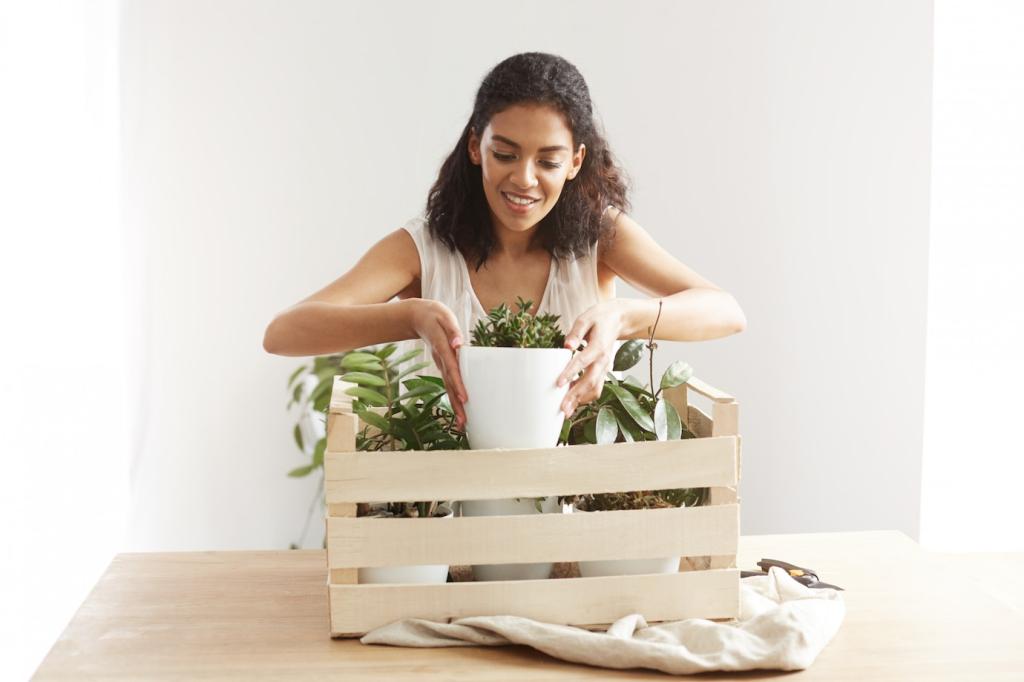
Chosen theme: Creating a Green Indoor Space with Less Waste. Step into a calm, living sanctuary where every plant, container, and habit helps your home breathe easier while cutting unnecessary waste and embracing mindful growth.
Write a simple guiding sentence, like: “I will grow a calming, low-maintenance indoor garden using repurposed materials and conscious care.” Refer to it when choosing plants, containers, and tools, so your decisions consistently align with reducing waste and increasing everyday comfort and delight.
Mindful Beginnings: Set Intentions for a Low-Waste Oasis
Plants with Purpose: Choose Resilient, Low-Waste Companions
Consider snake plant, pothos, ZZ plant, spider plant, and philodendron. They tolerate varied light, forgive irregular watering, and propagate easily. Fewer plant losses mean less waste, fewer pots discarded, and a steadier, slower purchasing rhythm that respects resources while keeping your collection resilient and rewarding.
Plants with Purpose: Choose Resilient, Low-Waste Companions
Prioritize plants propagated locally or through community swaps, avoiding unnecessary shipping and plastic packaging. Choose varieties suited to your home’s humidity and light, reducing energy-hungry grow lights. Ethical sourcing supports growers who respect ecosystems, while your thriving plants tell a quieter story of careful, sustainable selection.
Plants with Purpose: Choose Resilient, Low-Waste Companions
My most powerful lesson came from a yellowing pothos rescued from a lobby trash bag. After gentle pruning, repotting into an upcycled tea tin, and consistent bright indirect light, new vines appeared. That plant now anchors a bookshelf—living proof that patience can rescue both greenery and waste.
Reuse and Rethink: Upcycled Planters and Tools
Repurpose ceramic bowls, olive cans, candle jars, and enamel mugs. Add drainage by drilling small holes or layering pebbles and mesh from old produce bags. Label with leftover masking tape. These quirky vessels reduce new purchases, celebrate character, and spark conversations about creativity and conscious, joyful stewardship at home.
Reuse and Rethink: Upcycled Planters and Tools
Rescue dull scissors with a quick sharpening and rubbing alcohol cleanup. Oil pruners using a drop of leftover mineral oil. Store tools in a repurposed mail organizer. Maintaining and repairing what you already own stretches each item’s life, reduces packaging waste, and keeps your gardening routine wonderfully frictionless.

Water Wisdom: Gentle Routines, Smarter Sources
Instead of watering on a fixed schedule, test soil with your finger or a wooden skewer. Group plants by thirst, and use a narrow-spout bottle for precision. This slower, observant method prevents root rot, preserves resources, and strengthens your intuitive connection with the living rhythm of your indoor garden.


Light and Layout: Nature’s Efficiency Indoors
Spend a day observing light angles and intensity near windows. Photograph morning, noon, and evening. Place sun-lovers south or west, and keep shade-preferring plants deeper inside. This prevents wasteful reshuffling, reduces reliance on grow lights, and builds a home that understands light as a gentle, guiding partner.
Light and Layout: Nature’s Efficiency Indoors
Use mirrors or light-colored walls to bounce brightness without buying extra lamps. Sheer curtains soften harsh rays while protecting leaves. Arrange plant clusters to share favorable light, like a cooperative canopy. These quiet adjustments reduce energy use and support a balanced, low-waste indoor biome that feels thoughtfully composed.
Community and Habit: Grow Together, Waste Less
Host a cutting exchange with neighbors or join a library plant swap. You’ll discover new varieties, reuse containers, and reduce packaging. Swaps create stories: the philodendron from a friend’s windowsill carries memories alongside leaves, making your indoor space greener in spirit and lighter in footprint simultaneously.
Community and Habit: Grow Together, Waste Less
Choose one morning each week to dust leaves with a soft cloth, check moisture, and trim browning edges. This ritual prevents sudden crises, reduces wasteful emergency purchases, and cultivates presence. Share your routine in the comments so others can learn, adapt, and find a rhythm that fits their homes.